
About this activity
Editor's Note
Look, I’ve seen my fair share of "must-see" monuments that are really just overpriced photo ops designed to boost a city's RevPAR without offering much soul. But Jerónimos? That’s a different beast entirely. While the industry loves to push high-volume leads through these gates, there’s a reason this place remains the gold standard for Lisbon tourism. It isn’t just about the "Instagrammable" stone carvings; it's the weight of the history that actually hits you. Most travelers just breeze through the cloisters without realizing they’re standing in a monument built on the back of the Age of Discovery. If you’re tired of the sanitized, corporate travel circuit, this is one of those rare spots where the hype actually matches the heritage. Trust me, it’s worth the queue, even if the logistics of the area can be a bit of a headache during peak occupancy.
About the Tour
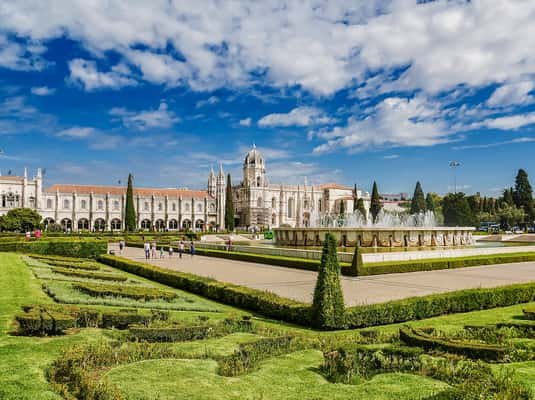
Stepping into the Jerónimos Monastery is like walking through the heart of Portugal’s golden age. Located in the Belém district of Lisbon, this UNESCO World Heritage Site isn't just a building; it’s a stone-carved testament to the ambition of a nation.
A Royal Vision
In 1496, King Manuel I commissioned the monastery to honor the Infante for his deep devotion to Our Lady and faith in St. Jerome. What started as a royal decree became a sprawling architectural feat that took over a century to complete.
Architectural Splendor
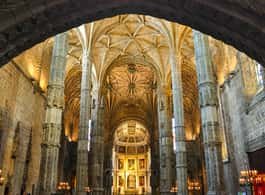
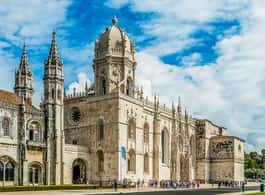
The monastery is the world’s premier example of Manueline (Portuguese Late Gothic) architecture. As you walk through the grounds, keep an eye out for:
- Intricate maritime motifs (ropes, coral, and sea creatures) carved into the limestone.
- The breathtaking two-story cloisters, widely considered some of the most beautiful in the world.
- The grand portals that blend religious symbolism with royal power.
From Monks to Heroes
Originally donated to the monks of the Order of St. Jerome (hence the name "Jerónimos"), the monastery served as a place of prayer for sailors heading into the unknown. However, history took a turn in 1833 when the religious orders were dissolved. The site transitioned from a silent sanctuary to a school and orphanage, serving the community until 1940.
Today, the church serves as a final resting place for Portugal’s most iconic figures, including:
- Vasco da Gama: The explorer who opened the sea route to India.
- Luís de Camões: The legendary poet who chronicled Portugal’s voyages.
Jerónimos Monastery is more than just a notable work of architecture; it is a profound piece of Portuguese identity. Whether you're a history buff or an architecture enthusiast, this is the one stop in Lisbon that demands your full attention.
Highlights
- Marvel at the 16th-century Manueline or Portuguese Late Gothic architecture
- Admire the beauty of Jerónimos Monastery on the banks of the Tagus river
- Visit the monuments of great explorer Vasco da Gama and poet Luís de Camões
- Explore the World Heritage Site that dates back to the late 15th century
- Learn why the monastery is a huge part of the Portuguese identity and culture
Know before you go
- Opening hours - Cloister: Tuesday to Sunday 9:30 AM - 5:30 PM (last entry at 5:00 PM); - Church: Tuesday to Saturday 10:30 AM -5:00 PM, Sundays and religious holidays 2:00 PM - 5:00 PM.
- This is an entry ticket. No guide will be present during your visit.
- There may be long lines at the entrance. Please be prepared to wait.
- Admission is free at National Museums and Monuments on Sundays and during holidays for residents of Portugal.
- Admission is free on the first Sunday of every month.
- Only the church and Lower Cloister are accessible to those with reduced mobility.
- The monastery is closed on Mondays, and on January 1, Easter Sunday, May 1st, June 13th, and 25th.